9+ curated guides • Updated August 2025
You know the face, but what's in the name? When Archibald Leach arrived in Hollywood, studios knew he needed a name with more star power, and 'Cary Grant' was born. This wasn't just a simple change; it was a calculated branding move, the first step in crafting an icon. We'll uncover the hidden world of celebrity names, exploring why the right moniker is one of the most powerful and deliberately chosen tools in the business of fame.
Forget the waitlists at Hermès. The most significant status symbol in fashion today sells out in eight minutes and is proudly made of vegan leather. The Telfar bag, or 'Bushwick Birkin,' isn't just an accessory; it's a membership card to a new school of thought that values inclusivity over exclusivity. We're decoding what owning one truly says about you and the future of luxury.
Everyone asks if a $12 Shein handbag is 'worth it,' but the answer is usually just a guess. We decided to find the real answer by performing a handbag autopsy. We bought their top-selling styles and literally cut them open to expose the materials, stitching, and hardware secrets they don't show you online. Our investigation moves beyond the surface-level aesthetics that flood social media feeds. In my lab, we don't care if a bag 'looks cute.' We care about what it's made of, how it's held together, and how quickly it will betray you. The results were, to a materials expert, predictable yet fascinating. We found that these bags are engineered for a single purpose: to survive the photoshoot. What follows is a forensic breakdown of what your money actually buys.
Look around, and you'll see it twinkling on fingers everywhere: the delicate star ring. But this celestial obsession is more than just an aesthetic choice; it's a subconscious signal. In an age of overwhelming uncertainty, we are choosing to wear our own personal North Star, a tiny, powerful symbol of hope and direction right on our hands. This isn't merely about accessorizing; it's about psychologizing our style. We are witnessing a collective turn towards objects imbued with personal meaning, a quiet rebellion against the noise of modern life. The star ring has become the emblem of this movement—a wearable anchor in the chaotic sea of daily existence, reminding us of our own inner light and the unique mythology we are building for ourselves, one day at a time.
We often buy accessories to complete an outfit, or give them as a simple, beautiful gift. But what if a piece of jewelry or a silk scarf could carry the symbolic weight of the gold, frankincense, and myrrh offered by the Three Kings? It's time to move beyond trends and discover how to choose accessories that anoint your daily life with a sense of the sacred and royal. In Spanish, 'Reyes' means Kings, a direct echo of the Magi who journeyed to bestow gifts of immense cultural and spiritual value. In our modern age, saturated with fleeting trends and disposable fashion, this ancient story offers a profound framework for re-evaluating our relationship with the objects we use to adorn ourselves. This is not about religious dogma, but about cultural inheritance—about viewing our accessories not as mere trinkets, but as a modern trinity of symbolic offerings we make to ourselves and to others. It’s a call to curate a collection that speaks of personal sovereignty, inner reverence, and enduring legacy.
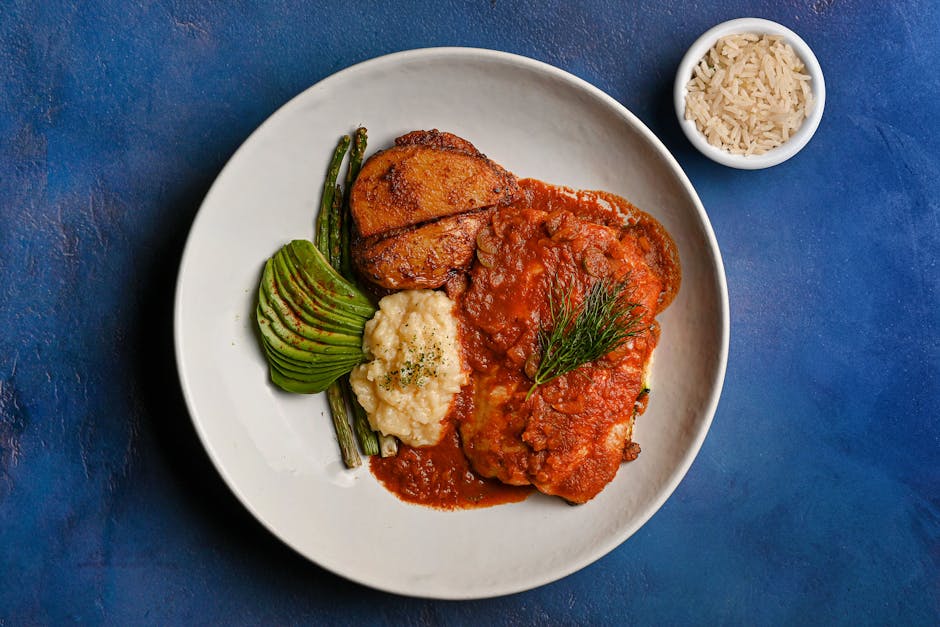
You don't need another mashed potato recipe. You need a system. The debate between fluffy, creamy, or rustic isn't about secret ingredients; it's about controlling the science of starch. Forget what you've been told—we're ditching the 'perfect' recipe to give you the master formula for creating your perfect texture, every single time. For years, you've been blindly following instructions, hoping for a consistent outcome. The result is often a lottery: sometimes perfect, sometimes a gluey disappointment. This ends today. We are not making mashed potatoes; we are engineering them. By understanding and manipulating three core variables—Starch Type, Fat Emulsion, and Mechanical Shear—you gain complete control. This is the Potato Texture Matrix, a universal framework that empowers you to build your ideal mashed potato from the ground up, whether you crave the airy peaks of a steakhouse classic or the decadent, purée-like silkiness of a fine-dining restaurant.
The 2015 Roast of Justin Bieber is remembered for its merciless takedowns and shocking punchlines. But what if the harshest jokes weren't the main event, but rather the cost of admission for the most elaborate public apology in modern pop history? This wasn't just a comedy special; it was a calculated career reset, played out in front of millions. It was a masterclass in crisis management, cleverly disguised as entertainment. Before he could release an album titled Purpose, he had to publicly demonstrate that he had found one. To do that, he had to first walk through fire, and he cannily invited the world to watch him burn.
We picture a celebrity's life as a whirlwind of red carpets, private jets, and exclusive parties. But behind every successful personal empire is an unseen, meticulously organized machine, and its engine isn't glamour—it's data, run on the surprisingly mundane framework of an Excel spreadsheet. This isn't just about accounting; it's the central nervous system for a multi-million dollar corporation where the product is a person. As a strategist who builds these systems for high-profile clients, I can tell you that the most critical decisions are made not in a Hollywood boardroom, but by analyzing pivot tables and conditional formatting. Forget the mystique; success in this arena is a game of numbers, and the spreadsheet is the scoreboard, rulebook, and strategic playbook all in one.
When a star passes, we remember their films, their music, their iconic moments. But in 2024, what happens to their Instagram feed, their X account, or even their voice? This isn't just about remembrance; it's about the emerging, high-stakes battle for control over a celebrity's digital ghost. The passing of several iconic figures this year has moved the conversation from a niche legal curiosity to a mainstream ethical crisis. We are no longer just mourning the person; we are witnessing the birth of their algorithmically-curated, perpetually-monetized digital twin. This is the new frontier of legacy, where estate managers become digital puppeteers and memory itself becomes a programmable asset.